
Categories
Homeownership, Real EstatePublished May 21, 2026
The Hidden Costs of Waiting to Buy a Home in Washington

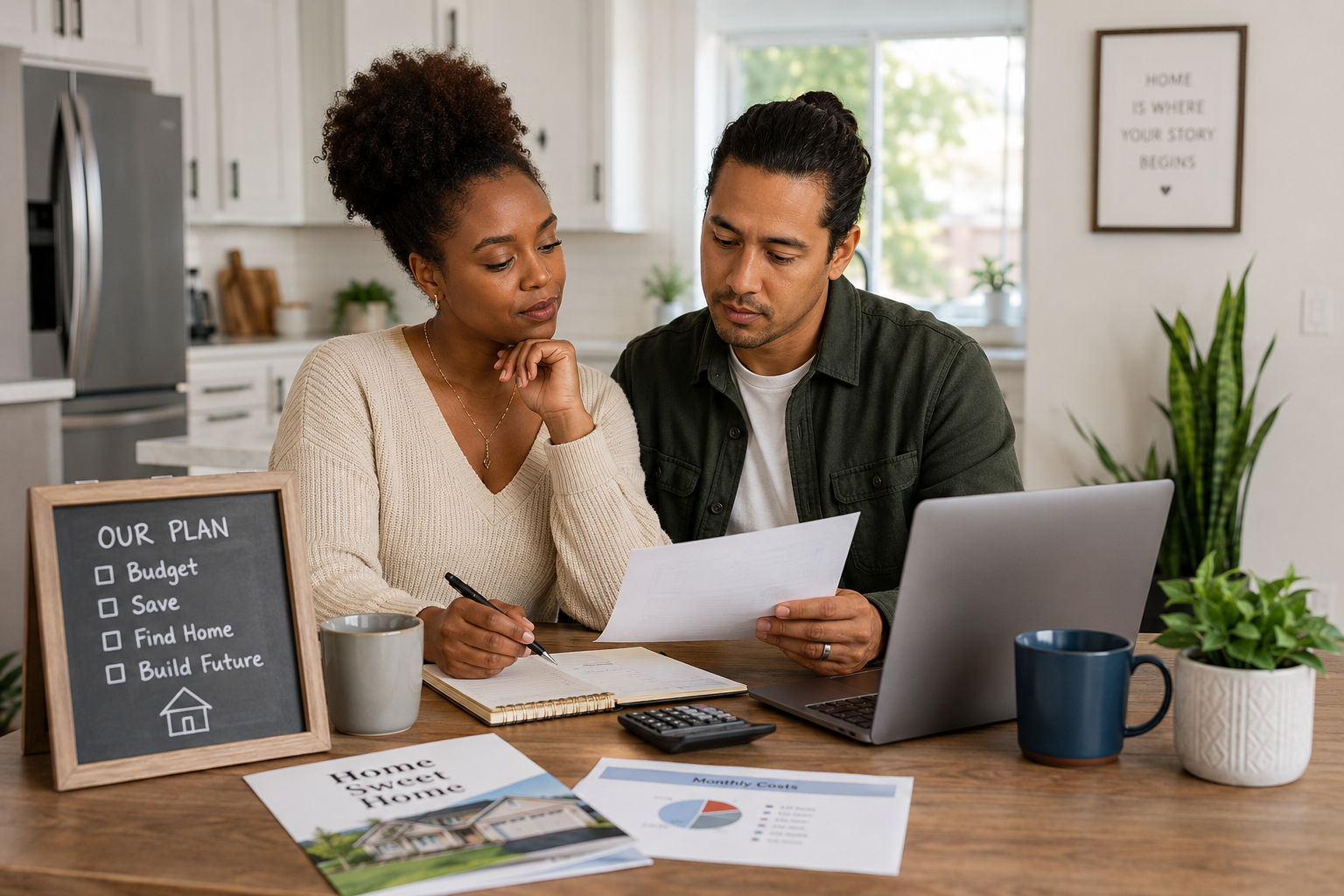
The Hidden Costs of Waiting to Buy a Home
Buying a home can feel overwhelming right now. Between interest rates, rising costs, social media “experts,” and constant headlines predicting either doom or glory, a lot of buyers are stuck in waiting mode.
But one of the biggest misconceptions in real estate is believing that waiting is always the safer or cheaper option.
Sometimes waiting helps.
Sometimes it quietly becomes the most expensive decision in the process.
Why Buyers Are Waiting
Most buyers who pause their search are usually waiting for one of these things:
- Lower interest rates
- Lower home prices
- More inventory
- Better affordability
- More savings
- “The perfect timing”
The challenge is that the market rarely delivers all of those things at once.
In reality, when rates drop, buyer competition often increases quickly. More buyers re-enter the market, homes move faster, and prices can rise again due to demand.
So while a lower interest rate may reduce one part of the payment, increased competition can raise the actual purchase price.
Rent Keeps Moving Too
One hidden cost buyers often overlook is continued rent increases.
Every month spent waiting is another month paying toward someone else’s mortgage instead of building personal equity.
Even if home prices stayed completely flat, continuing to rent for another year can still mean spending tens of thousands of dollars without ownership or long-term return.
Home Prices Do Not Usually Pause Forever
Many buyers wait hoping prices will drop significantly.
But in many Washington markets, inventory remains relatively limited compared to buyer demand. That imbalance tends to support pricing over time.
Even moderate appreciation can impact affordability more than people expect.
For example:
- A home priced at $500,000 today
- With even modest appreciation later
- Could cost noticeably more while buyers are also competing against more offers
Waiting can sometimes create a situation where buyers are chasing affordability instead of gaining it.
Interest Rates Can Be Temporary. Purchase Price Is Not.
One thing many buyers forget:
You can refinance an interest rate later.
You cannot refinance the purchase price.
A higher interest rate today does not necessarily lock someone into that payment forever if rates improve later.
But paying more for the same home later affects the loan balance permanently.
The Emotional Cost of Waiting
This part is harder to measure, but it matters.
Many buyers spend months — sometimes years — constantly watching the market, stressing over rates, checking apps daily, and feeling like homeownership keeps moving further away.
At some point, the emotional exhaustion becomes part of the cost too.
Not every buyer needs to rush into a purchase. But staying frozen out of fear can become its own cycle.
Timing the Market Perfectly Is Almost Impossible
Even experienced investors rarely predict markets perfectly.
The buyers who tend to succeed long term are usually the ones who:
- buy within their means
- plan to stay put for a while
- make financially sound decisions
- and stop trying to “win” against every market headline
A home is both a financial decision and a life decision. Waiting for perfect conditions often means waiting for something that does not fully exist.
The Bottom Line
Buying a home should always make sense for your financial situation, lifestyle, and goals.
But waiting has costs too and many of them are not obvious at first.
The goal is not to pressure buyers into moving quickly. It is to help people understand the full picture so they can make informed decisions instead of fear-based ones.
Sometimes the question is not:
“Should I wait?”
Sometimes the better question is:
“What might waiting actually cost me?”
Cheryl Dennis
CEO / Founder | My Puget Sound Homes | Keller Williams Puget Sound | PLACE
or another way